Acne Problems
Acne can flare up when you aren't getting enough sleep. In fact, sleep deprivation is considered one of the three main acne triggers, along with stress and sweating. Studies have borne this out.Why does lack of sleep cause pimples?
The reason being is that a lack of sleep has been shown to cause stress in the body, which can spike your cortisol. A spike in cortisol can then lead to inflammation and an increased production of sebum which results in clogged pores and eventually, breakouts.Does lack of sleep affect skin?
Inadequate sleep raises your cortisol levels. This hormone triggers inflammation, which breaks down the proteins that keep your skin smooth and glowing. Inflammation can also make your skin more prone to acne and more sensitive to allergic reactions.Does sleeping help acne?
If you don't get good, restorative sleep, your body might not feel rested and could kick-start that cortisol surge, which could put you at risk for more acne. The fix is simple, but not always easy: Make sleep a priority to give your body the rest it needs and your acne a chance to heal.Is 5 hours of sleep enough?
Sometimes life calls and we don't get enough sleep. But five hours of sleep out of a 24-hour day isn't enough, especially in the long term. According to a 2018 study of more than 10,000 people, the body's ability to function declines if sleep isn't in the seven- to eight-hour range.What Causes Acne? | Explained by Dermatologist
How should I sleep to avoid acne?
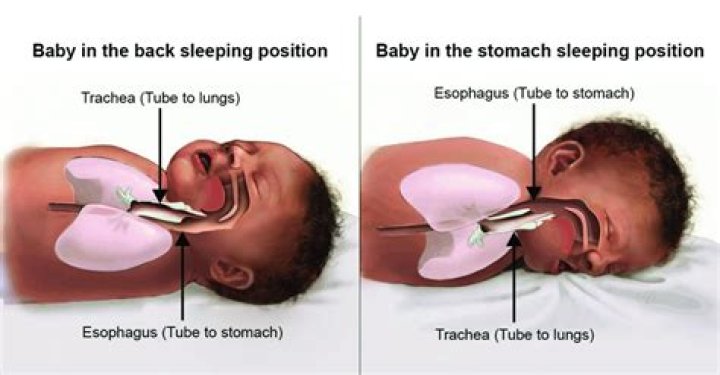
Changing your sleeping position may help prevent acne. Train yourself to sleep on your back, so that your face does not come in contact with the pillowcase. Position the pillows around you in such a way that they stop you from rolling over on your side or front.Is 4 hours of sleep enough?
For most people, 4 hours of sleep per night isn't enough to wake up feeling rested and mentally alert, no matter how well they sleep. There's a common myth that you can adapt to chronically restricted sleep, but there's no evidence that the body functionally adapts to sleep deprivation.How many hours of sleep should I get for good skin?
The key is to get enough shut-eye -- 7 to 9 quality hours each night. If you're getting fewer than 6 hours, it's likely affecting your appearance, says Michael Breus, PhD, a board-certified sleep specialist. Start getting 1 to 3 more hours of Zzz's, and you could see some improvement in as little as a day.How many hours is a beauty sleep?
What Is Beauty Sleep? When you get a good night's sleep, you wake up refreshed and your skin glows naturally from within. Sleeping for 7-9 hours is vital for healthy skin.Is 7 hours of sleep enough?
For adults, getting less than seven hours of sleep a night on a regular basis has been linked with poor health, including weight gain, having a body mass index of 30 or higher, diabetes, high blood pressure, heart disease, stroke, and depression.Is 6 hours sleep enough?
Doctors recommend that most adults need seven to nine hours of sleep to maintain positive mental health. Sleeping for six hours or less can have many short-term and long-term detrimental effects on your body.What can I drink to clear acne?
According to Agarwal, the combination of green tea and lemon is a potent blend to address acne. “Simply boil few green tea leaves in some water and add a teaspoon of lemon juice to it. Strain and drink it hot,” she recommends.Why does my acne look better in the morning?
Neil Shultz explains: “Most people experience some facial swelling overnight from lying down. That extra fluid helps to fill out the fine lines, making them less visible.” That's why when you wake up, your skin may look more youthful and firm.Why is my skin so clear when I wake up?
During the day as you're upright, the dermal fluid moves towards your legs, but overnight, when your body is horizontal during sleep, dermal fluid settles back. This swells up your facial skin, reducing the appearance of wrinkles, like pumping water back into a raisin or rehydrating a shriveled, dried sponge.Is sleeping naked better for your health?
Sleeping naked together might improve your rest by reducing your stress and anxiety levels. Skin-to-skin contact between adults can increase levels of oxytocin, the “love hormone”. That increased oxytocin can help to reduce your stress levels. It can also make you feel more connected to your partner.How does lack of sleep affect your face?
Results show that the faces of sleep-deprived individuals were perceived as having more hanging eyelids, redder eyes, more swollen eyes and darker circles under the eyes. Sleep deprivation also was associated with paler skin, more wrinkles or fine lines, and more droopy corners of the mouth.How do you look pretty when sleeping?
9 beauty-sleep tips so you wake up looking AMAZING
- Give your skin a power nap. ...
- Think while you drink. ...
- Hydrate as you hibernate. ...
- Keep makeup remover by the bed. ...
- Skincare you should sleep with. ...
- Prevent pillow face. ...
- Slip on a silk eye mask. ...
- Ditch the distractions.