Pain medications are normally required after tooth extraction surgery. If you can take ibuprofen (Motrin® or Advil®), take 400–600 mg every 6–8 hours or as prescribed by your doctor. Ibuprofen will help with pain relief and as an anti-inflammatory.
When can I take painkillers after tooth extraction?
Take pain medications as prescribed. The swelling usually subsides after 48 hours. You should begin taking pain medication as soon as you feel the local anesthetic wearing off. For moderate pain, Naproxen (Aleve) or Ibuprofen (Advil, Motrin) may be taken (choose either Naproxen or Ibuprofen, not both).What painkillers are best after tooth extraction?
To reduce pain and aid your recovery, it can be helpful to: use painkillers such as paracetamol or ibuprofen (always read and follow the manufacturer's dosage instructions) – there's some evidence to suggest that ibuprofen is the best painkiller to take after having wisdom teeth removed.What helps pain after tooth extraction?
Pain after having a tooth pulled
- put an ice pack on your cheek.
- rest.
- prop your head up with a pillow when lying down.
- eat soft, cool foods.
- rinse your mouth with saltwater starting 1 day after the surgery.
- use warm compresses.
Do they give you pain killers after tooth extraction?
Most likely after your wisdom teeth removal, your oral surgeon may prescribe you Vicodin and hydrocodone, the most common opioid-based pain relievers after your surgery.Ibuprofen After Wisdom Tooth Surgery: Opioid-Free Pain Management | Penn Precision Medicine
How do I sleep after tooth extraction?
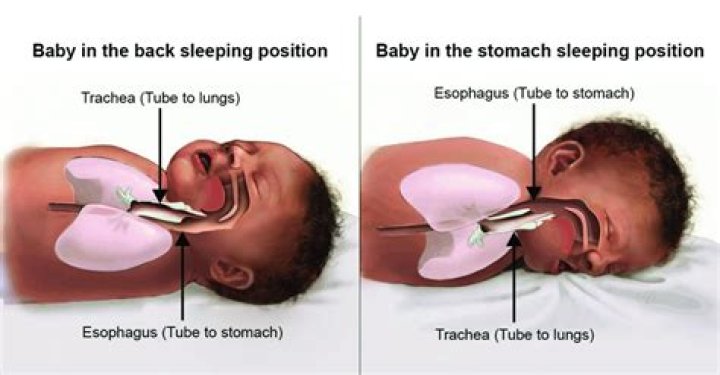
Following any type of oral surgery, including a tooth extraction, you should sleep elevated for the first 2-3 nights. This allows your body to drain more of the fluid away from the extraction site. If you were to lie flat on your back, the amount of swelling is much more likely to increase.How painful is a molar extraction?
Does the procedure hurt? No, despite what you may have imagined, you having nothing to worry about. Having a tooth extracted, whether surgically or not, should not hurt. Usually you'll feel a slight pinch as the area is numbed using anesthetic, then after this you will not be able to feel the procedure.How much pain is normal after tooth extraction?
Most people feel mostly pain-free by the third or fourth day. Some swelling and soreness can continue throughout the first week. Throbbing pain during the first 24 hours after your extraction is likely just a sign that your body is healing.What causes extreme pain after tooth extraction?
Dry socket (alveolar osteitis) is a painful dental condition that sometimes happens after you have a permanent adult tooth extracted. Dry socket is when the blood clot at the site of the tooth extraction fails to develop, or it dislodges or dissolves before the wound has healed.Why does my tooth extraction hurt more at night?
Why do some toothaches hurt more at night? Toothaches can be painful in the day, but they may seem to get worse at night. One reason that this may occur is because when a person is lying down, blood rushes to the head. This extra blood in the area may increase the pain and pressure that people feel from a toothache.How long does jaw hurt after extraction?
While it's normal to feel some discomfort after your anesthesia wears off, this should subside significantly a few days after your extraction. You can expect a full recovery within two weeks or less. Following your dentist's instructions and some general aftercare practices can help keep your mouth healthy as you heal.Is tooth extraction painful?
Does Tooth Extraction Hurt? Yes, getting a tooth pulled can hurt. However, your dentist will typically give you local anesthesia during the procedure to eliminate the pain. Also, following the procedure, dentists usually recommend over-the-counter (OTC) or prescription pain medication to help you manage the pain.How long should you wait to drink water after getting a tooth pulled?
Drinking dos and don'ts.As a best practice, except for taking medication you should delay drinking fluids for 1 hour following your extraction procedure. Especially following more involved extractions (difficult procedures, the removal of multiple teeth), drinking 6 to 8 glasses of water per day makes a good idea.
What are the warning signs of dry socket?
Symptoms of dry socket include:
- intense pain a few days after surgery.
- visibly empty socket with missing or partially missing blood clot.
- pain that radiates from the socket into the rest of your face and head.
- bad breath or foul odor in your mouth.
- visible bone in the socket.